How to Start Pest Control Business in India?
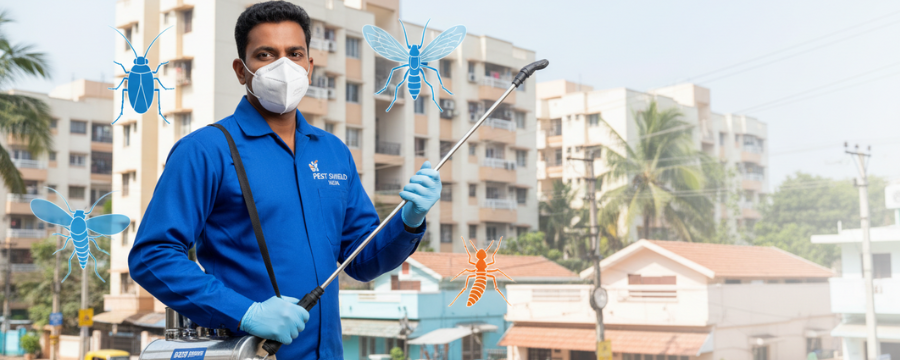
Starting a pest control business in India is a smart decision.
Why? Because pests never disappear. Homes, shops, hotels, offices, hospitals, schools—all need pest control regularly.
India’s fast-growing cities, crowded living spaces, and changing weather create the perfect environment for pests like cockroaches, mosquitoes, termites, and rats. This means pest control is not a one-time service. Customers need it again and again.
Another big advantage is repeat income. Many clients prefer yearly contracts instead of one-time treatments. This gives you steady monthly earnings and business stability.
You do not need a high degree or a big office to start. With proper training, legal licenses, and the right tools, anyone can begin this business on a small budget and grow step by step.
Most importantly, pest control is a problem-solving business. When you remove pests, you improve health, safety, and peace of mind. That builds trust—and trust brings long-term customers.
This business has:
Low to medium investment
Regular demand
Good profit margins
Long-term growth
Let’s understand everything from zero.
1. What Is a Pest Control Business?
A pest control business provides professional services to control and remove harmful pests from homes and commercial places. These pests are not only annoying but can also damage property and spread diseases.
Common pests handled in this business include cockroaches, termites, mosquitoes, bed bugs, rats, and mice. Each pest needs a different treatment method. For example, termites require long-term chemical treatment, while mosquitoes need fogging or larvicide control.
In this business, your job is not just spraying chemicals. You first visit the customer’s location and inspect the area carefully. You identify the type of pest, find where it is hiding, and understand how serious the problem is. Based on this inspection, you choose the correct treatment and explain the process to the customer.
All treatments must be done using government-approved chemicals or safe pest control methods. Safety is very important—for you, the customer, children, pets, and the environment. After treatment, you also guide customers on precautions and preventive steps.
In India, pest control services are required in many places. Homes and apartments need regular pest control to maintain hygiene and comfort. Restaurants and hotels must follow food safety rules, which make pest control compulsory. Hospitals and clinics need pest-free environments to protect patients. Offices and IT parks want clean and healthy workspaces. Shops and godowns need pest control to protect goods from damage.
Because pests return if not controlled properly, many customers take pest control services repeatedly. This makes pest control a regular, long-term service business rather than a one-time job.
2. Why Pest Control Business Is Profitable in India
Growing cities and apartments
Poor waste management in many areas
High mosquito and termite problems
Hotels and restaurants need regular service
Government rules require pest control in food businesses
This creates repeat customers, especially through Annual Maintenance Contracts (AMC).
3. Types of Pest Control Services You Can Offer
When starting a pest control business, you do not need to offer every service from the beginning. In fact, it is better to start with basic and high-demand services, learn the work properly, and then slowly add advanced services as your experience and team grow.
Common Pest Control Services (Best to Start With)
General Pest Control
This is the most common service in India. It mainly includes control of cockroaches, ants, spiders, and other small insects. Almost every home and shop needs this service at least once or twice a year. The process is simple, affordable for customers, and ideal for beginners.
Termite Control
Termites cause serious damage to furniture, doors, and wooden structures. Many people discover termites only after major damage is done. Termite control services are high-value jobs and bring good profit. This service requires proper training, drilling work, and long-term chemical treatment, but it is in demand throughout the year.
Bed Bug Treatment
Bed bugs are a growing problem in cities, especially in hostels, hotels, rented homes, and apartments. Bed bug treatment is more detailed and time-consuming, but customers are ready to pay well because the problem is very stressful. Proper inspection and follow-up visits are very important in this service.
Mosquito Control
Mosquito problems increase during the monsoon season. Services like fogging, spraying, and larvicide treatment are commonly used. Mosquito control is popular in residential societies, schools, hospitals, and construction sites. This service brings seasonal but high-volume work.
Rodent (Rat) Control
Rats and mice cause damage to food, wires, and property. They are common in homes, shops, godowns, and restaurants. Rodent control includes traps, baiting, and proofing methods. This service is especially important for commercial clients.
Advanced Pest Control Services (Add Later)
Fumigation Services
Fumigation is used for severe infestations, especially in warehouses, containers, and large commercial spaces. It involves strong chemicals and strict safety rules. This service requires special licenses, equipment, and trained staff. It is best added after gaining experience.
Commercial Pest Control
Commercial pest control covers offices, hotels, restaurants, hospitals, malls, and factories. These clients usually need regular service contracts and detailed reports. Commercial work brings stable income but also requires professional systems and trained teams.
Pre-Construction Termite Treatment
This service is done before a building is constructed. Chemicals are applied to the soil to prevent termite entry in the future. Builders and developers often hire pest control companies for this work. It requires technical knowledge and coordination with construction teams.
Warehouse and Factory Services
Warehouses and factories store large quantities of goods and raw materials. Pest control here is critical to avoid losses. These services are usually long-term contracts and require customized pest management plans.
4. Skills You Need (No Degree Required)
One of the best things about starting a pest control business is that you do not need a college degree. This business is skill-based, not certificate-based. What matters most is practical knowledge, safety awareness, and how well you deal with customers.
Understanding Pest Behavior
You must learn how different pests live and spread. Cockroaches hide in dark, wet places. Bed bugs stay close to beds and furniture. Termites live inside wood and underground. When you know where pests hide and how they multiply, you can treat the problem from the root instead of giving temporary relief.
Safe Use of Chemicals
Pest control chemicals can be dangerous if used wrongly. You must know which chemical to use for which pest, how much to use, and where to apply it. Using extra chemical does not mean better results—it only increases risk. Safety for you, customers, children, and pets is very important. This skill mainly comes from training and practice.
Customer Communication
Good communication builds trust. You should be able to explain the pest problem in simple words, describe the treatment process, and tell customers what precautions to take. When customers feel informed and safe, they are more likely to call you again and recommend you to others.
Inspection and Reporting
Before starting any treatment, you need to inspect the area properly. You must identify the pest, find entry points, and understand how serious the problem is. After service, basic reporting helps track work done and builds professionalism, especially for commercial clients.
Basic Math for Pricing
You do not need advanced math. Simple calculations are enough. You should know how to calculate area size, cost of chemicals, travel expense, and profit margin. This helps you price your services correctly and avoid losses.
How You Learn These Skills
Most of these skills are learned through proper training and real field experience. The more sites you visit, the better you become. With time, confidence and expertise grow naturally.
In short, if you are willing to learn, work safely, and treat customers honestly, you already have what it takes to succeed in the pest control business.
5. Legal Requirements in India (Very Important)
You must follow Indian laws. This builds trust and avoids penalties.
1. Business Registration
Choose one:
Sole Proprietorship (best for beginners)
Partnership
Private Limited Company
2. Trade License
From your local municipal corporation or gram panchayat.
3. GST Registration
Mandatory if turnover crosses ₹20 lakh
Optional for small local businesses
4. Insecticide License
This is compulsory.
Issued under the Insecticides Act, 1968
From the Agriculture Department
Needed to buy and use pest control chemicals
5. Pollution Control Board Permission
In many states, pest control comes under White or Green category.
6. Training and Certification in India
Training is not legally compulsory everywhere, but it is strongly recommended if you want to run a safe, professional, and trusted pest control business in India. Proper training makes your work easier, safer, and more profitable.
Why Training Is Important
Pest control is not just spraying chemicals. Every pest behaves differently and needs the right treatment. Without training, you may use the wrong chemical, apply the wrong dose, or create safety risks. Training helps you avoid mistakes and deliver effective results.
Where You Can Get Training in India
Government Agriculture Departments
Many state agriculture departments provide short-term pest control training programs. These are reliable, affordable, and useful for license approval.
State Pest Control Associations
Most states have pest control associations that conduct workshops, seminars, and certification courses. These programs are industry-focused and updated as per current rules.
Private Pest Control Institutes
Private institutes offer practical, hands-on training with real field exposure. These are helpful for beginners who want fast and focused learning.
What Pest Control Training Covers
Pest Identification
You learn how to identify different pests, understand their life cycle, and know where they hide. Correct identification leads to correct treatment.
Chemical Handling
Training teaches you which chemicals to use, how much to use, and how to store them safely. This reduces health risks and increases treatment success.
Safety Rules
You learn how to protect yourself, customers, children, pets, and the environment. Safety is a big trust factor in this business.
Indian Laws and Rules
Training explains laws under the Insecticides Act and local regulations. This helps you stay legal and avoid fines.
Field Practice
Practical sessions show you how real pest control work is done on-site. This builds confidence and skills.
How Training Helps Your Business
Makes it easier to get licenses
Reduces accidents and mistakes
Improves service quality
Builds customer trust and credibility
Customers prefer trained professionals. When you show certificates and follow safe methods, people trust you more and recommend your services.
In short, training is an investment that saves you from problems and helps your pest control business grow smoothly in India.
7. Market Research (Before You Start)
Before you start your pest control business, take some time to understand your local market. This small step can save you from big mistakes later. Market research helps you know what customers really want and how you can serve them better than others.
Study Your Local Area
Start by checking how many pest control companies are already working in your area. Search on Google, Google Maps, and local directories. Note down their business names, service areas, and contact details. This gives you a clear idea of the competition.
Understand Their Services
Look at what services these companies offer. Some focus only on home pest control, while others handle commercial clients. Check if they offer termite control, bed bug treatment, mosquito control, or annual maintenance contracts. This helps you decide which services you should start with.
Compare Pricing
Call a few companies as a customer and ask for prices. You will understand the average market rate in your area. This helps you price your services correctly—neither too high nor too low.
Read Customer Complaints
Google reviews are very powerful. Read both good and bad reviews. Pay special attention to complaints. Common issues include late service, ineffective treatment, rude staff, or no follow-up after payment. These complaints show you exactly what customers are unhappy about.
Find the Gaps in the Market
This is where your opportunity lies. You may notice problems like poor service quality, high prices, lack of follow-up visits, or no AMC options. Many customers want regular service and proper guidance, but they don’t get it.
Turn Gaps into Strengths
If others are not following up, you can offer follow-up calls. If prices are high, you can offer fair pricing with better service. If no one is offering AMC plans, you can introduce them and lock in long-term customers.
Good market research helps you start smart. Instead of copying others, you create your own strong position in the market—and that’s how successful pest control businesses are built.
8. Choosing Your Business Model
Choosing the right business model is very important when starting a pest control business. The model you choose decides your investment, expenses, and growth speed. You don’t need to start big. In fact, starting small and growing slowly is the safest way.
Option 1: Home-Based Pest Control Business (Best to Start)
This is the most popular and recommended option for beginners. You operate the business from your home and visit customer locations for service.
You do not need to pay office rent, which keeps your monthly expenses very low. A small room at home is enough to store equipment and chemicals safely. You can start alone or with one or two technicians.
This model is perfect if:
You have a limited budget
You want low risk
You are new to the industry
Many successful pest control companies in India started from home and expanded later.
Option 2: Small Office with a Team
In this model, you rent a small office space. You also maintain a separate storage room for chemicals and equipment. This setup looks more professional and helps when dealing with commercial clients.
You usually hire 3 to 5 staff members, including technicians and an office helper. This model has higher costs, but it also allows you to handle more customers at the same time.
This option is suitable if:
You already have experience
You have steady customers
You want faster growth
Option 3: Franchise Pest Control Business
A franchise model means you buy the rights to operate under a known brand name. The company provides training, marketing support, and systems. However, the initial investment is high, and you must pay royalty fees regularly.
This model is good for people who:
Have higher capital
Want brand support
Prefer a ready-made system
Final Advice:
Most beginners should start with a home-based model. It is low-cost, low-risk, and flexible. Once you gain experience, customers, and confidence, you can move to a bigger setup step by step.
9. Equipment and Tools Required
Having the right equipment is the backbone of a pest control business. Good tools make your work easier, faster, and safer. You do not need to buy everything at once. Start with basic equipment and upgrade as your business grows.
Basic Pest Control Tools:
Hand Sprayer
A hand sprayer is used for small areas and basic treatments like cockroach and ant control. It is affordable, easy to use, and perfect for beginners.
Motorized Sprayer
This sprayer is useful for larger areas such as big homes, offices, and societies. It saves time and gives even chemical coverage. Many professionals use this for regular work.
Fogging Machine
Fogging machines are mainly used for mosquito control. They release fine mist that spreads easily in open and semi-open areas. This tool is commonly used in societies, schools, and outdoor spaces.
Gel Applicator
Gel applicators are used for cockroach gel treatment. This method is clean, odorless, and very effective. Customers prefer gel treatment in kitchens and bedrooms.
Safety Equipment (Never Skip This)
Gloves
Gloves protect your hands from direct contact with chemicals and pests. Always wear chemical-resistant gloves during treatment.
Mask or Respirator
A proper mask or respirator protects you from inhaling harmful fumes. This is especially important during spraying and fogging.
Goggles
Safety goggles protect your eyes from chemical splashes. Eye safety is often ignored but very important.
Protective Clothing
Wearing full-sleeve protective clothing reduces skin contact with chemicals and keeps you safe during long working hours.
Other Important Tools:
Drill Machine (for Termite Control)
Termite treatment often requires drilling holes in walls or floors. A good drill machine is necessary for this service.
Ladder
A ladder helps you reach ceilings, corners, and high areas where pests hide.
Measuring Tools
Measuring cups and tools help you mix chemicals in the correct ratio. Proper measurement ensures effective treatment and safety.
Final Tip
Never compromise on quality and safety equipment. Good tools not only protect you but also improve service quality and customer trust. Start with essentials and invest more as your business grows.
10. Chemicals and Products (Follow Rules)
Chemicals and pest control products are the heart of this business. Using the right product in the right way gives good results and keeps everyone safe. In India, it is very important to follow government rules while using pest control chemicals.
Use Only Government-Approved Chemicals
Always use chemicals that are approved by the Indian government under the Insecticides Act. These products are tested for safety and effectiveness. Using illegal or banned chemicals can harm health and may lead to heavy fines or cancellation of your license.
Types of Pest Control Products
Liquid Sprays
These are commonly used for general pest control, mosquito control, and termite treatment. They are mixed with water and sprayed on affected areas.
Gels
Gels are mainly used for cockroach control. They are clean, odorless, and safe when applied correctly. Customers prefer gel treatments inside homes and kitchens.
Powders
Powders are used in cracks, drains, and hidden areas where pests move. They are effective for ants and crawling insects.
Baits
Baits are used for rats, mice, and cockroaches. They attract pests and eliminate them slowly. Baits are useful when spraying is not possible.
Important Rules You Must Follow
Buy chemicals only from licensed and trusted sellers
Store chemicals in original containers with labels
Never mix different chemicals unless you are trained
Always follow the recommended dosage
Wear safety equipment while handling chemicals
Using extra chemical does not give better results. It only increases risk.
Eco-Friendly and Herbal Products
Many customers now prefer eco-friendly and herbal pest control solutions, especially in homes with children and pets. These products may cost more but help build trust and long-term business.
11. Office Setup and Chemical Storage
Your office setup does not need to be big or expensive. What matters most is safety, cleanliness, and proper storage.
If You Are Running a Home-Based Business
Keep chemicals in a separate locked storage area
Ensure proper ventilation in the storage space
Never allow children or pets near chemicals
Store equipment separately from living areas
A small, well-organized space is enough.
If You Have an Office
A small room works fine as an office
Maintain a separate storage area for chemicals
Install basic fire safety measures
Label all chemicals clearly and neatly
Records You Must Maintain
Customer Records
Keep details like name, address, service date, and pest type. This helps in follow-ups and AMC services.
Chemical Usage Logs
Record which chemical was used, where, and in what quantity. This is useful for safety checks and inspections.
Service Reports
Service reports show professionalism, especially for commercial clients. They also protect you in case of complaints.
Final Advice
A clean and well-managed office setup builds confidence with customers and authorities. Good storage and proper records keep your business safe, legal, and professional.12. Hiring Staff
When you start a pest control business, you do not need to hire a big team. Many successful business owners begin alone and handle everything themselves. This helps you understand the work deeply and keeps costs low in the beginning.
Starting Alone
In the early stage, you can do inspections, treatments, billing, and customer communication on your own. This gives you hands-on experience and helps you learn how customers think and what problems they face.
Hiring Staff as You Grow
Once your workload increases, you can start hiring staff slowly.
Pest Control Technicians
Technicians handle on-site pest control work. They should be trained to identify pests, use chemicals safely, and follow treatment procedures properly.
Helper
A helper assists technicians by carrying equipment, mixing chemicals under supervision, and preparing the site. Helpers reduce workload and improve efficiency.
Office Assistant
An office assistant handles calls, schedules appointments, manages records, and follows up with customers. This role becomes important when your customer base grows.
Training Your Staff
Proper training is very important. Every staff member should be trained in safety rules to avoid accidents. They must know how to talk politely with customers and explain basic instructions clearly. Uniforms and personal hygiene should be maintained at all times to create a professional image.
Provide Professional Identity
Always give your staff:
ID cards to show authenticity
Clean uniforms to build trust
Safety gear like gloves, masks, and goggles
Customers feel more comfortable when staff look professional and follow safety rules.
Final Tip
Start small, train your team well, and treat your staff with respect. A skilled and disciplined team helps your pest control business grow smoothly and gain a good reputation.
13. Pricing Your Services (India)
Correct pricing is very important for the success of your pest control business. If your prices are too high, customers may not call you. If prices are too low, you may work hard but earn very little. The goal is to charge a fair price that covers your cost and gives you good profit.
Factors That Decide Your Pricing
Pest Type
Different pests need different treatments. Cockroach control is simple and low-cost, while termite and bed bug treatments are more complex and expensive. Always price according to the difficulty of the job.
Area Size
Bigger areas need more chemicals, more time, and more effort. A 3 BHK flat will cost more than a 1 BHK. Commercial spaces cost more than homes.
Location
Pricing also depends on location. Metro cities usually have higher rates compared to small towns. Travel distance and accessibility also affect pricing.
Example Pest Control Prices in India
Cockroach control (1 BHK): ₹800 – ₹1,500
Bed bug treatment: ₹2,000 – ₹5,000
Termite control: ₹6,000 – ₹25,000
These are average market prices. Rates may vary by city and service quality.
Importance of AMC (Annual Maintenance Contracts)
AMC plans are a smart way to earn steady income. Instead of one-time service, customers pay yearly or monthly for regular visits. This gives them peace of mind and gives you predictable cash flow.
AMCs are very popular with:
Apartments
Restaurants
Offices
Shops
Final Advice:
Always explain your pricing clearly to customers. Avoid hidden charges. Honest pricing builds trust and long-term relationships, which are more valuable than quick profit.
14. Marketing Your Pest Control Business
Marketing helps people know about your pest control business and trust your services. Even if you provide excellent service, customers will not call you unless they know you exist. The good news is that pest control marketing does not need a big budget. Simple and smart methods work very well in India.Offline Marketing Methods
Visiting CardsAlways carry visiting cards with your name, phone number, and service details. Give them to customers after every job and ask them to share with friends and neighbors.
Pamphlets
Pamphlets are useful for local promotion. Distribute them in apartments, shops, and busy areas. Keep the message clear and simple.
Society Tie-Ups
Housing societies are a goldmine. Offer special rates for society members or AMC packages. One society contract can bring many customers at once.
Builder Contacts
Builders and contractors often need pest control for new buildings and flats. Tie-ups with builders can give you regular work.
Hotel and Restaurant Visits
Visit hotels, restaurants, bakeries, and food shops personally. Explain your services and offer regular maintenance plans. These businesses need pest control continuously.
Online Marketing Methods
Google Business ProfileCreate a Google Business Profile with correct address, phone number, photos, and services. This helps customers find you when they search “pest control near me.”
Simple Website
A basic website with your services, contact details, and service areas builds trust. It also helps in Google ranking.
WhatsApp Business
WhatsApp Business helps you manage calls, send service details, share before-and-after photos, and follow up easily.
Local Facebook Groups
Join local Facebook and community groups. Share helpful tips and service offers. This brings local leads without cost.
Power of Reviews
Customer reviews are very powerful. Ask satisfied customers to leave Google reviews. Positive reviews build trust and attract new customers automatically.
Final Tip
Focus on local marketing and customer satisfaction. Happy customers are your best advertisement and will bring you more business than any paid ad.15. How to Get Customers Fast
Getting customers quickly is very important when you start a pest control business. The faster you build trust, the faster your phone will start ringing. You don’t need expensive ads—simple, honest steps work best.
Offer Inspection at Low or No Cost
Many customers are unsure about the problem and the cost. When you offer a free or low-cost inspection, people feel comfortable calling you. During inspection, show them the pest issue and explain why treatment is needed.
Explain the Problem Clearly
Do not use technical words. Explain the pest problem in simple language. Tell customers where pests are coming from, how serious the issue is, and what will happen if it is not treated. Clear explanation builds confidence.
Give a Written Quotation
Always provide a written quotation, even if it is on WhatsApp. Mention the service details, price, and number of visits. This shows professionalism and avoids confusion later.
Offer Warranty Where Possible
For services like termite or bed bug treatment, offering a limited warranty increases customer trust. Customers feel safe knowing you will return if the problem comes back.
Follow Up After Service
A follow-up call or message after the service makes a big difference. Ask if the problem is solved and if they need anything else. This small step leaves a strong impression.
Trust Brings Repeat Business
When customers feel respected and supported, they call you again and recommend you to others. In pest control, trust is more powerful than advertising.
Final Tip
Be honest, be clear, and be helpful. Customers will choose you not just for pest control—but for peace of mind.
16. Safety Rules You Must Follow
Safety is the most important part of the pest control business. If safety is ignored, it can harm you, your customers, and your business reputation. When you follow safety rules properly, customers trust you more and recommend your services to others.
Safety Rules for You and Your Team
Always Wear Safety Gear
Before starting any treatment, wear gloves, mask or respirator, goggles, and protective clothing. This protects your skin, eyes, and lungs from harmful chemicals.
Never Inhale Chemicals
Avoid breathing in chemical fumes directly. Always spray in the correct direction and stand at a safe distance. Proper masks and ventilation are very important.
Wash Hands After Work
After completing the service, wash your hands and exposed skin thoroughly. This simple habit reduces health risks and keeps you safe in the long run.
Safety Rules for Customers
Ask Customers to Leave the Area if Required
For certain treatments, it is safer if customers, children, and pets leave the area for some time. Explain this clearly before starting the work.
Protect Food and Water
Ask customers to cover or remove food items, utensils, and drinking water before treatment. This prevents contamination and keeps the home safe.
Give Post-Treatment Instructions
After the service, clearly tell customers when they can enter the treated area, when to clean, and what precautions to follow. You can also send these instructions on WhatsApp.
Why Safety Builds Reputation
Customers remember how carefully you work. When they see you following safety rules, wearing proper gear, and guiding them responsibly, they feel confident in your service. Safety shows professionalism.
Final Advice
Never rush a job by skipping safety steps. A safe service protects lives, builds trust, and helps your pest control business grow for years.
17. Common Mistakes to Avoid
Many pest control businesses fail not because there is no demand, but because of small mistakes made in the beginning. If you avoid these common errors, your business will grow smoothly and earn customer trust.
Using Cheap or Illegal Chemicals
Some beginners try to save money by using cheap or banned chemicals. This is very dangerous. Illegal chemicals can harm health, damage property, and lead to heavy fines or license cancellation. Always use government-approved products, even if they cost more.
Underpricing Your Services
Charging very low prices may bring customers at first, but it reduces your profit and lowers your value in the market. Customers may also doubt your quality. Price your services fairly based on effort, chemicals, and time.
Skipping Licenses and Rules
Running a pest control business without proper licenses is risky. Authorities can stop your work anytime. Licenses protect your business and help you gain commercial clients easily.
No Follow-Up After Service
Many businesses lose customers because they never follow up. A simple call or message after service shows care and professionalism. Follow-ups bring repeat customers and good reviews.
Poor Customer Communication
Rude behavior, unclear explanation, or ignoring customer calls can damage your reputation fast. Always talk politely, explain the process clearly, and answer questions patiently.
Final Warning
These mistakes may look small, but they can destroy your business quickly. Avoid shortcuts, focus on quality, and build trust—success will follow naturally.
18. Profit and Income Potential
The pest control business has strong income potential in India if managed properly. With low running costs and regular demand, many operators earn steady profits within a short time.
Profit Margin in Pest Control
On average, a pest control business can achieve a profit margin of 30% to 50%. Major expenses include chemicals, fuel, staff salary, and basic marketing. Once these costs are controlled, most of the service amount becomes profit.
Daily Earning Potential
If you complete just 2 to 3 services per day, you can earn around ₹3,000 to ₹8,000 per day, depending on the type of service. High-value services like termite and bed bug treatment increase daily income significantly.
Monthly Income Possibilities
A small pest control business can easily earn ₹50,000 to ₹1,00,000 per month. With experience, better marketing, and repeat customers, monthly income can grow to ₹2,00,000 or more.
Power of AMC Contracts
Annual Maintenance Contracts (AMC) bring stability. Instead of depending only on daily calls, AMC clients pay yearly or monthly for regular service. This creates predictable income and reduces stress.
Final Thought:
Pest control is not a get-rich-quick business, but it is a stable and scalable one. With quality service, fair pricing, and customer trust, income grows steadily year after year.
19. Growing Your Pest Control Business
Once your pest control business is running smoothly and you have regular customers, the next step is growth. Growth does not mean rushing. It means expanding smartly while maintaining service quality.
Add New Services
After gaining experience, you can add advanced services like termite treatment, bed bug control, fumigation, or eco-friendly pest control. More services mean more customers and higher income per job.
Hire More Teams
When service calls increase, one person cannot handle everything. Hiring and training more technicians helps you serve more customers daily. More teams mean more work completed and faster growth.
Cover Nearby Areas
Start by expanding to nearby localities or towns. This increases your reach without high travel costs. Local expansion is one of the easiest ways to grow.
Target Commercial Clients
Commercial clients like hotels, restaurants, offices, warehouses, and hospitals need regular pest control. These clients usually prefer long-term contracts, which bring stable and higher income.
Create Your Own Brand
Build a strong brand with a professional name, logo, uniform, and good online presence. A trusted brand helps you charge better prices and stand out from competitors.
Final Motivation:
Many successful pest control companies in India started as small home-based businesses. With patience, quality service, and smart expansion, your small business can grow into a big company too.
20. Future of Pest Control Business in India
The future of the pest control business in India is very strong and promising. This is not a short-term trend. It is a long-term service business that will continue to grow for many years.
Growing Cities and Urban Life
India’s cities are expanding fast. New buildings, apartments, and housing societies are coming up every day. More buildings mean more chances for pests to enter and spread. As urban areas grow, the need for professional pest control automatically increases.
Rise in Apartment Living
More people now live in apartments and gated societies. When many families live close to each other, pest problems spread quickly from one flat to another. This makes regular pest control necessary, not optional. Societies prefer professional companies that can handle the entire building.
Strict Food Safety Rules
Food safety rules in India are becoming stricter. Restaurants, hotels, bakeries, food factories, and warehouses must maintain high hygiene standards. Pest control is a key requirement for these businesses to operate legally. This creates constant demand for professional pest control services.
Growing Demand for Eco-Friendly Solutions
Customers are becoming more aware of health and the environment. Many people prefer eco-friendly and herbal pest control solutions, especially in homes with children and pets. Businesses that offer safe and green options will have an advantage in the future.
Long-Term Business Opportunity
Pests will always exist where people live, cook, and store food. That is why pest control is a necessity, not a luxury. With growing population, cities, and regulations, this business has a long-term future in India.
Final Thought:
If you focus on quality, safety, and customer trust, the pest control business can give you stable income and long-term success.
21. Final Step-by-Step Checklist
If everything feels overwhelming, don’t worry. Starting a pest control business becomes easy when you follow one step at a time. This simple checklist will help you move from idea to your first customer without confusion.
Step 1: Learn the Basics
Start by understanding common pests, basic treatment methods, and safety rules. Watch videos, read guides, and talk to people already in the business. This builds your foundation.
Step 2: Get Proper Training
Join a pest control training program from a government department, association, or private institute. Training gives you confidence, practical knowledge, and helps in getting licenses easily.
Step 3: Register Your Business
Choose a business name and register it as a sole proprietorship or suitable structure. Get a trade license from your local authority and complete basic legal formalities.
Step 4: Get Required Licenses
Apply for the insecticide license and other permissions required in your state. This step is very important to run your business legally and safely.
Step 5: Buy Equipment and Chemicals
Purchase basic equipment like sprayers, safety gear, and approved chemicals. Start with essential tools only. Avoid unnecessary spending in the beginning.
Step 6: Start Marketing
Create visiting cards, register on Google Business Profile, and spread the word locally. Let people know you are open for service.
Step 7: Serve Your First Customer
Do your first job with full care and safety. Explain the process clearly, deliver good results, and follow up. One happy customer can bring many more.
Final Reminder
Take one step at a time. Start small, stay legal, focus on safety, and build trust. That is the real formula for long-term success in the pest control business.
Conclusion- How to Start Pest Control Business in India?
Starting a pest control business in India is a practical and smart career choice. It does not require a high degree or huge investment, yet it offers steady demand and good earning potential. As long as people live in homes, apartments, and cities, the need for pest control will always exist.
This business becomes profitable when you focus on quality work, safety, and customer trust. Using approved chemicals, following safety rules, and communicating clearly with customers builds a strong reputation. A good reputation brings repeat customers and long-term contracts.
You do not need to start big. Begin with basic services, a small setup, and limited investment. Learn from every job, improve your skills, and understand customer needs. With time, you can add new services, hire teams, and expand into nearby areas.
Pest control is not just about removing pests. It is about improving health, hygiene, and peace of mind. When you solve real problems honestly, people remember you and recommend you.
Start small, stay consistent, learn daily, and grow step by step. With patience and dedication, a simple pest control business can turn into a successful and respected company in India.
Frequently Asked Questions:(FAQ)
1. How to start pest control services?
To start pest control services, first learn basic pest control methods and safety rules. Get proper training, register your business, apply for a trade license, and obtain an insecticide license. Buy basic equipment and approved chemicals, then start marketing locally.
2. What is the profit margin for pest control?
The average profit margin in pest control ranges from 30% to 50%. Costs are mainly chemicals, fuel, staff, and marketing. AMC contracts increase profit and provide steady monthly income.
3. What are the 4 types of pests?
The four main types of pests are: Insects (cockroaches, ants, bed bugs), Rodents (rats, mice), Termites, Mosquitoes and flies Each type requires a different treatment method.
4. How do I get clients for pest control?
Use local marketing methods like visiting cards, pamphlets, society tie-ups, and Google Business Profile. Offer free inspections, explain problems clearly, give written quotations, and follow up after service. Good service brings repeat customers and referrals.
5. Is a license required to start a pest control business in India?
Yes. An insecticide license is compulsory under Indian law. You also need business registration and a trade license. Licenses help you operate legally and gain customer trust.
6. Do I need a degree to start a pest control business?
No. A college degree is not required. This is a skill-based business. Training, safety knowledge, and customer handling matter more than formal education.
7. How much investment is needed to start pest control business?
A small home-based pest control business can start with ₹50,000 to ₹1,50,000. This includes basic equipment, chemicals, licenses, and marketing. You can invest more as the business grows.
8. Which pest control service is most profitable?
Termite control and bed bug treatment are the most profitable services. They are high-value jobs and customers are willing to pay more due to serious damage or stress.
9. Can I start pest control business from home?
Yes. A home-based model is the best option for beginners. You save office rent and reduce risk. Many successful pest control companies started from home.
10. Is pest control business safe?
Yes, if done correctly. Using approved chemicals, proper dosage, and safety gear keeps you and customers safe. Following safety rules builds trust and long-term success.