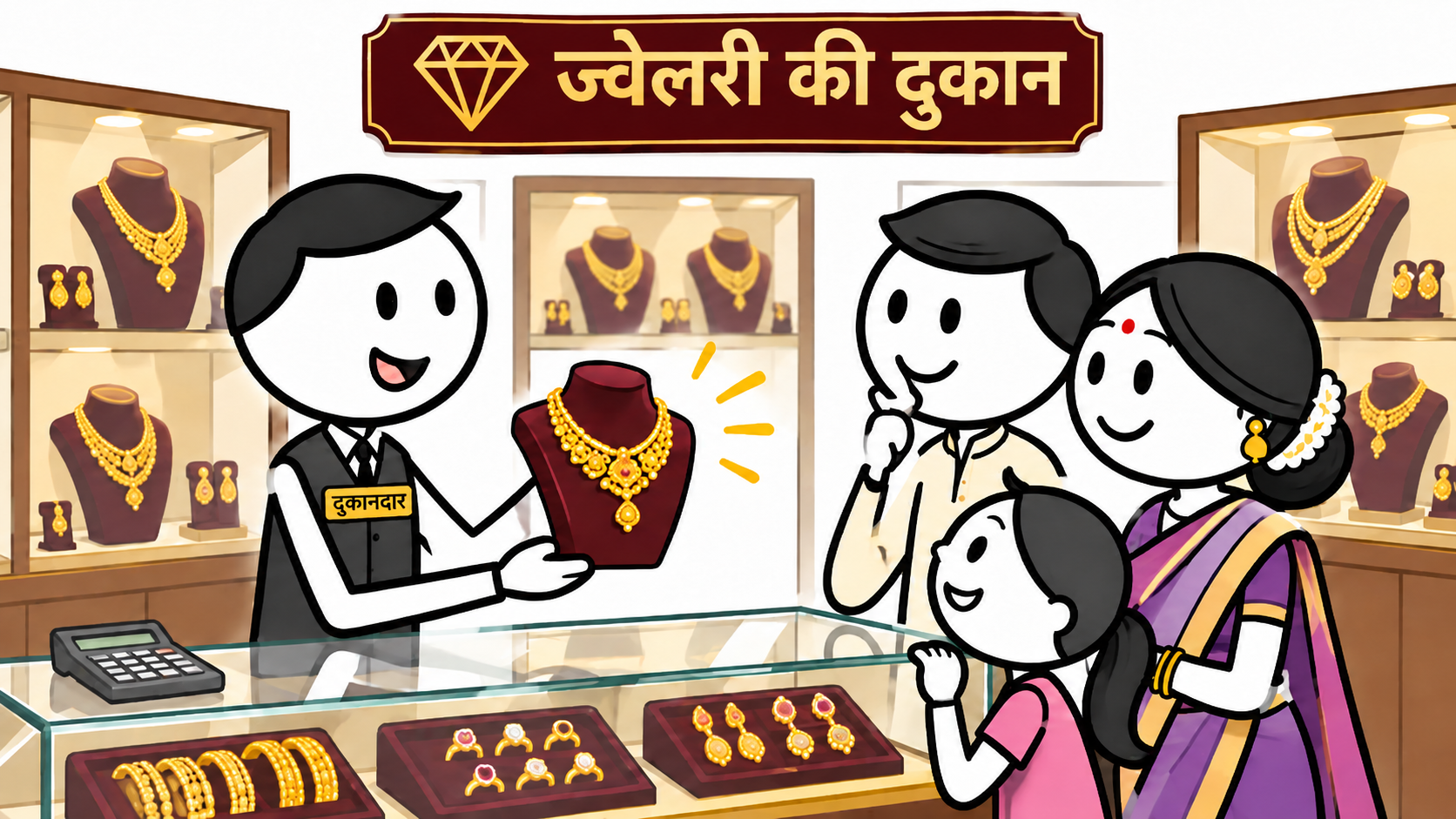
How to Start a Jewelry Business in India: A Complete Beginner's Guide
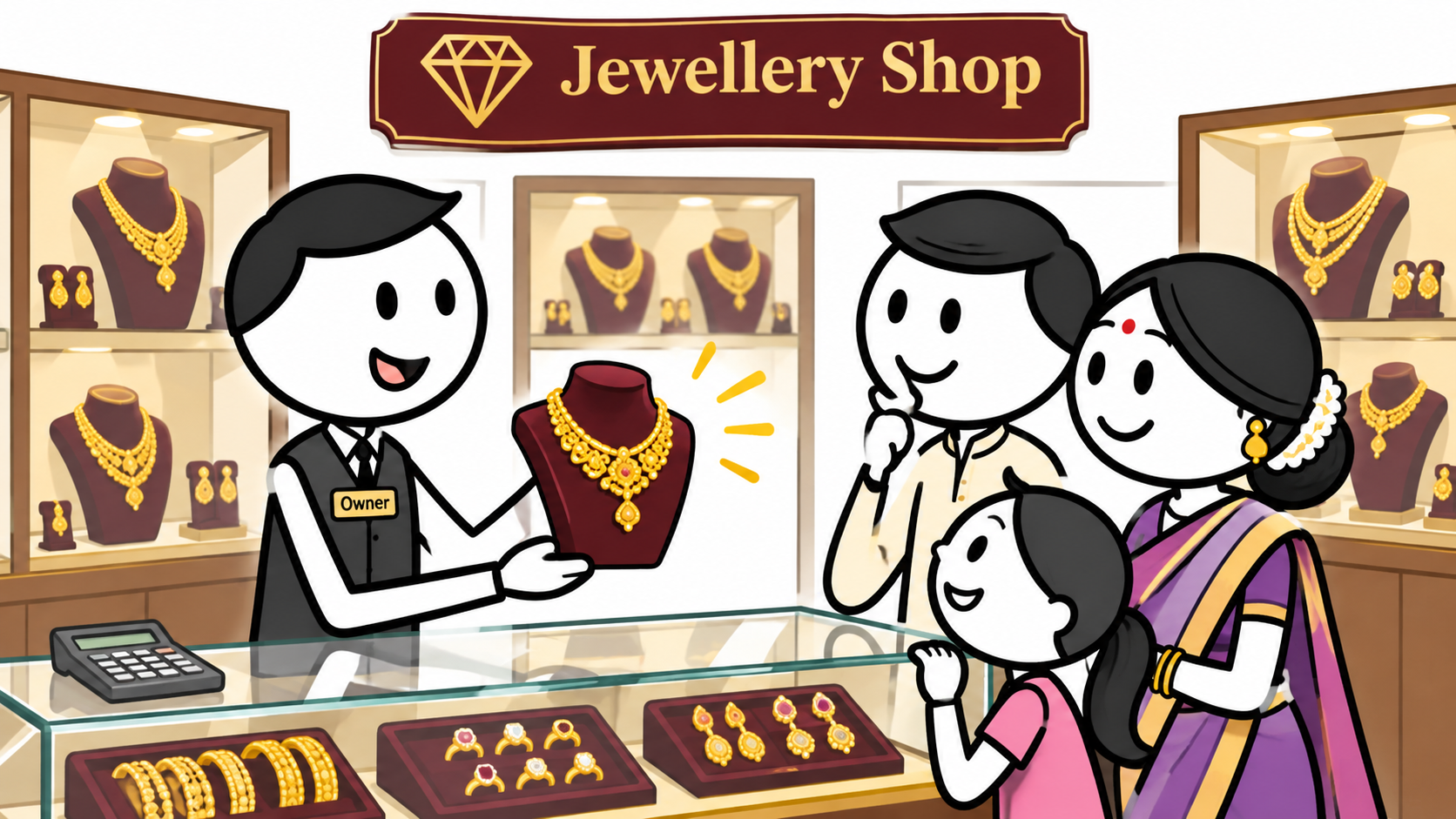
Starting a jewelry business in India can be an exciting opportunity. You don't necessarily need a large showroom, expensive inventory, or years of experience to begin. Many entrepreneurs start small by selling artificial jewellery, handmade accessories, or gold jewellery through local customers and online platforms.
But here's something worth understanding: a successful jewelry business is not just about selling beautiful products. It's about choosing the right customers, sourcing quality jewellery, pricing correctly, and building trust.
If you're planning to start a jewelry business in India, this guide explains the different business models, investment requirements, sourcing options, profit margins, registration requirements, marketing strategies, and practical steps to get started.
Table of Contents
What Is a Jewelry Business?
What Are the Different Types of Jewelry Businesses You Can Start in India?
How Much Investment Is Required to Start a Jewelry Business?
How to Start a Jewelry Business in India: Step-by-Step
How Profitable Is a Jewelry Business in India?
How to Start an Artificial Jewellery Business from Home
How to Start an Online Jewelry Business in India
How to Register a Jewelry Business in India
How to Market a Jewelry Business and Get Customers
How to Create a Jewelry Shop Business Plan
What Are the Biggest Mistakes Beginners Make in the Jewelry Business?
Conclusion: Is Starting a Jewelry Business in India a Good Idea?
Frequently Asked Questions
What Is a Jewelry Business?
A jewelry business involves designing, manufacturing, purchasing, or selling jewellery and related accessories to customers.
Depending on your investment, experience, and business goals, you can operate a jewelry business in several ways:
● Selling artificial or imitation jewellery.
● Making handmade jewellery.
● Selling gold and silver jewellery.
● Running an online jewellery store.
● Opening a physical jewellery shop.
● Manufacturing jewellery for other businesses.
● Selling jewellery through social media and marketplaces.
The right business model depends on your budget, target customers, product knowledge, and preferred selling method.
What Are the Different Types of Jewelry Businesses You Can Start in India?
Before investing money, decide what kind of jewellery you want to sell. Different jewellery businesses require different investments, suppliers, skills, and marketing strategies.
1. Artificial Jewellery Business
Artificial jewellery, also called imitation jewellery, is made using materials such as metals, beads, stones, glass, and other decorative components instead of solid precious metals.
Popular products include:
● Earrings and jhumkas.
● Necklaces and chokers.
● Bangles and bracelets.
● Rings.
● Oxidised jewellery.
● Fashion jewellery sets.
● Bridal imitation jewellery.
This business is attractive to beginners because you can start with a relatively small inventory and sell individual products or jewellery collections.
2. Handmade Jewelry Business
If you enjoy creativity, a handmade jewelry business may be suitable.
You can make products such as:
● Beaded necklaces.
● Handmade earrings.
● Polymer clay jewellery.
● Thread jewellery.
● Personalised bracelets.
● Custom name jewellery.
● Handmade gifts.
The advantage is that unique designs can help differentiate your products from mass-produced jewellery.
However, you need to consider production time, material costs, finishing quality, and packaging.
3. Gold Jewellery Business
Gold jewellery is a traditional and significant jewellery category in India.
Products include:
● Gold necklaces.
● Gold rings.
● Gold chains.
● Gold bangles.
● Wedding jewellery.
● Gold earrings.
A gold jewellery business requires considerably more capital, security arrangements, product knowledge, and compliance than a small imitation jewellery business.
If you plan to sell gold jewellery, understand gold purity, hallmarking requirements, inventory management, making charges, and customer verification obligations where applicable.
4. Online Jewelry Business
An online jewellery business allows you to sell products without necessarily opening a physical showroom.
You can sell through:
● Your own ecommerce website.
● Instagram.
● WhatsApp Business.
● Amazon.
● Flipkart.
● Meesho.
● Other suitable online marketplaces.
Online selling can help you reach customers outside your city, but product photography, packaging, delivery, customer service, and returns become important.
How Much Investment Is Required to Start a Jewelry Business?
The investment depends mainly on the jewellery category, inventory size, selling channel, and whether you operate from home or a commercial location.
The following figures are illustrative planning estimates, not fixed market prices.
| Business Model | Illustrative Starting Investment |
|---|---|
| Handmade Jewellery from Home | ₹10,000–₹50,000 |
| Artificial Jewellery from Home | ₹25,000–₹1 Lakh |
| Small Online Jewellery Business | ₹30,000–₹2 Lakh |
| Small Artificial Jewellery Shop | ₹2 Lakh–₹10 Lakh |
| Gold Jewellery Business | Several Lakhs to Crores, Depending on Inventory |
Your actual investment may be lower or higher.
What expenses should you include?
A jewellery business budget should include:
● Initial jewellery inventory.
● Packaging materials.
● Product photography.
● Website or marketplace expenses.
● Branding and marketing.
● Storage and display equipment.
● Delivery and shipping.
● Business registration and compliance costs.
● Working capital.
Working capital means money available to manage regular business expenses while you wait for sales revenue.
For a beginner, maintaining enough working capital is often more important than purchasing a large inventory immediately.
How to Start a Jewelry Business in India: Step-by-Step
If you want to start a jewelry business from home or online, follow these practical steps.
Step 1: Choose Your Jewelry Business Model
First, decide what you want to sell.
For example:
● Artificial jewellery for college students.
● Oxidised jewellery for everyday fashion.
● Bridal imitation jewellery.
● Handmade jewellery for personalised gifts.
● Gold jewellery for traditional customers.
● Premium fashion jewellery for working women.
Avoid trying to sell every jewellery category from day one.
A focused product range makes it easier to understand your customers, manage inventory, and market your business.
Step 2: Identify Your Target Customers
Your target customers determine your products, prices, marketing messages, and sales channels.
For example:
| Target Customers | Suitable Products |
|---|---|
| College Students | Affordable Earrings and Fashion Jewellery |
| Working Women | Elegant Everyday Jewellery |
| Brides | Bridal Jewellery Sets |
| Gift Buyers | Personalised Jewellery |
| Fashion Enthusiasts | Trend-Based Statement Jewellery |
| Traditional Customers | Ethnic Jewellery Designs |
Ask yourself:
● Who will purchase my jewellery?
● What occasions will they wear it for?
● How much are they comfortable spending?
● Where do they usually shop?
● What makes them choose one jewellery brand over another?
These answers help you build a more focused business.
Step 3: Research Your Competitors
Before purchasing inventory, examine other jewellery businesses.
Study:
● Their product designs.
● Selling prices.
● Product photography.
● Packaging.
● Customer reviews.
● Delivery policies.
● Popular collections.
● Social media content.
You can research competitors on Instagram, Amazon, Flipkart, Meesho, and independent jewellery websites.
Look for opportunities to differentiate your business instead of simply copying existing sellers.
For example, you might offer carefully curated jewellery collections, better packaging, personalised customer service, or distinctive designs.
Step 4: Find Reliable Jewelry Suppliers
Supplier selection is one of the most important decisions in a jewellery selling business.
You can source products through:
● Wholesale jewellery markets.
● Manufacturers.
● Importers.
● Local jewellery artisans.
● Wholesale distributors.
● Online B2B platforms.
Popular sourcing locations in India include:
● Mumbai.
● Jaipur.
● Delhi.
● Surat.
● Kolkata.
Different cities and suppliers specialise in different jewellery categories.
Before placing a large order, purchase samples and check:
● Product quality.
● Finishing.
● Colour consistency.
● Stone attachment.
● Packaging.
● Supplier reliability.
● Minimum order quantity.
● Replacement policy for defective products.
A supplier offering the lowest price is not necessarily the best supplier.
Step 5: Decide Your Pricing Strategy
Pricing should cover your product cost and all other expenses associated with selling it.
A common beginner mistake is to purchase jewellery for ₹100 and sell it for ₹150, assuming the ₹50 difference is profit.
But the business may also incur packaging, shipping, advertising, payment processing, and return-related expenses.
Example: How to calculate jewellery selling price
Suppose you sell an artificial jewellery product online.
| Expense | Amount |
|---|---|
| Product Purchase Cost | ₹150 |
| Packaging | ₹20 |
| Shipping Expense | ₹50 |
| Advertising Allocation | ₹30 |
| Payment and Other Selling Expenses | ₹10 |
| Total Cost | ₹260 |
If you sell the product for ₹399:
● Selling price: ₹399
● Total cost: ₹260
● Contribution before other overheads and taxes: ₹139
This ₹139 is not necessarily your final net profit. You may still have website expenses, salaries, rent, GST implications, and other costs.
What is the difference between markup and profit margin?
Markup is calculated on the cost price.
Profit margin is calculated on the selling price.
For example, if a product costs ₹100 and sells for ₹200:
● Markup = 100%.
● Gross profit margin = 50%.
Understanding this difference helps you price jewellery correctly.
How Profitable Is a Jewelry Business in India?
Jewellery profitability varies considerably according to product category, brand positioning, supplier prices, operating expenses, and sales channel.
Artificial jewellery may offer attractive markups on individual products, but competition, advertising costs, discounts, and returns can reduce the actual profit.
Gold jewellery operates differently because gold value, making charges, wastage where applicable, inventory financing, and operating costs influence profitability.
What determines jewellery business profit?
Your profitability depends on:
● Product purchase cost.
● Selling price.
● Customer acquisition cost.
● Product returns and defects.
● Shipping expenses.
● Inventory turnover.
● Discounts.
● Rent and salaries.
● Taxes and compliance expenses.
A business selling more products is not automatically more profitable.
For example, a seller generating ₹5 lakh in monthly revenue may earn less net profit than a smaller seller with better pricing and lower operating expenses.
The important metric is net profit, not just sales revenue.
How to Start an Artificial Jewellery Business from Home
Starting an artificial jewellery business at home is a practical option if you want to test demand before investing in a shop.
What do you need?
You can begin with:
● A small collection of jewellery products.
● A smartphone with a good camera.
● Basic product packaging.
● Storage boxes or organisers.
● WhatsApp Business.
● An Instagram business account.
● A simple order tracking system.
How to sell artificial jewellery from home?
Follow this approach:
1. Purchase a small collection of products.
2. Photograph each product clearly.
3. Create a catalogue with prices.
4. Share products through WhatsApp and Instagram.
5. Accept orders and confirm payment or delivery terms.
6. Pack products carefully.
7. Ship orders using a suitable courier.
8. Collect customer feedback.
9. Reorder products that sell consistently.
Start with a limited inventory instead of purchasing hundreds of designs.
This helps you identify which products customers actually want.
How to Start an Online Jewelry Business in India
An online jewellery business can grow beyond your local area, but you need a reliable system for product discovery, ordering, payment, delivery, and customer support.
Should you sell on marketplaces or your own website?
| Selling Channel | Main Advantage | Main Challenge |
|---|---|---|
| Visual Product Discovery | Building Trust and Converting Followers | |
| WhatsApp Business | Direct Customer Communication | Managing Orders at Scale |
| Amazon | Access to Marketplace Customers | Fees, Competition, and Platform Rules |
| Flipkart | Marketplace Reach | Competition and Operational Requirements |
| Meesho | Potential Access to Value-Conscious Shoppers | Pricing and Marketplace Dependence |
| Own Website | Brand Control and Customer Experience | Traffic Generation and Customer Acquisition |
A sensible strategy is to test products through social media or marketplaces and build your own website as the business develops.
What should your jewellery website include?
A professional jewellery website should have:
● High-quality product images.
● Clear product descriptions.
● Accurate pricing.
● Secure payment options.
● Shipping information.
● Return and refund policies.
● Contact details.
● Customer support.
● Privacy policy.
● Terms and conditions.
For jewellery, product images are especially important because customers cannot physically inspect the item before purchasing.
Show the product from multiple angles and provide accurate dimensions, materials, and colour information.
How to Register a Jewelry Business in India
The registrations and licences required depend on your business structure, turnover, location, product category, and selling activities.
Which business structure should you choose?
Common options include:
● Sole proprietorship.
● Partnership.
● Limited Liability Partnership (LLP).
● Private Limited Company.
A sole proprietorship may be suitable for a small business operated by one person. An LLP or private limited company may be more appropriate when multiple founders, investment, or a more formal business structure is involved.
Important registrations and compliance requirements
| Registration or Requirement | When It Matters |
|---|---|
| GST Registration | Based on applicable turnover thresholds, interstate supply rules, marketplace requirements, and other conditions |
| Udyam Registration | Optional MSME registration for eligible businesses |
| Shops and Establishments Registration | Depending on applicable state requirements |
| Business Bank Account | Useful for separating business and personal transactions |
| Trademark Registration | Helps protect your brand identity |
| BIS Hallmarking Compliance | Relevant to applicable precious-metal jewellery requirements |
| Legal Metrology Compliance | Relevant to applicable packaged commodity declarations |
For gold jewellery, verify the current BIS hallmarking and hallmarking-related obligations before selling.
GST rules for online sellers and interstate supplies can be complex and have changed over time. Confirm the current requirements with the GST portal or a qualified tax professional before starting.
Official resources:
● GST Portal: https://www.gst.gov.in/
● Udyam Registration: https://udyamregistration.gov.in/
● BIS: https://www.bis.gov.in/
● IP India: https://ipindia.gov.in/
How to Market a Jewelry Business and Get Customers
Even excellent jewellery products may struggle to sell if customers cannot discover your business.
Marketing should help customers discover your products, understand their value, and feel confident purchasing from you.
1. Use Instagram for Jewellery Marketing
Jewellery is highly visual, making Instagram useful for showcasing products.
You can publish:
● Product photographs.
● Reels showing jewellery in use.
● New collection announcements.
● Styling ideas.
● Jewellery care tips.
● Customer testimonials.
● Behind-the-scenes videos.
● Packaging videos.
Use clear product names and prices whenever possible.
2. Build a WhatsApp Customer Base
WhatsApp Business can help you manage customer communication and product enquiries.
Useful features include:
● Product catalogue.
● Quick replies.
● Business profile.
● Customer labels.
● Order updates.
With customer permission, you can share new collections and special offers without sending unwanted promotional messages.
3. Create Helpful Jewellery Content
Instead of posting only product advertisements, create content that answers customer questions.
Examples:
● How to style oxidised earrings.
● Which jewellery works with a saree?
● How to care for artificial jewellery?
● How to choose jewellery for a wedding?
● How to store necklaces without tangling?
● What is the difference between gold-plated and gold jewellery?
Helpful content can build trust and encourage customers to return.
4. Use Google to Attract Local Customers
If you operate a physical jewellery shop, create and maintain a Google Business Profile.
It can help customers discover your business through local Google Search and Maps.
Keep your business information accurate and encourage genuine customer reviews.
5. Encourage Repeat Purchases
Repeat customers can become an important source of jewellery business revenue.
You can encourage repeat purchases through:
● New collection launches.
● Loyalty benefits.
● Personalised recommendations.
● Gift packaging.
● Excellent customer service.
● Consistent product quality.
The goal is not simply to make one sale. It is to create a shopping experience customers trust.
How to Create a Jewelry Shop Business Plan
A jewellery business plan helps you understand how much money you need, who your customers are, and how you will generate profit.
Your plan should cover the following sections.
1. Business Overview
Describe:
● Business name.
● Jewellery category.
● Business model.
● Location.
● Target customers.
● Selling channels.
2. Product Strategy
Explain what products you will sell.
For example:
● Artificial earrings.
● Necklaces.
● Bracelets.
● Bridal jewellery.
● Handmade jewellery.
● Gold jewellery.
3. Market Research
Study:
● Competitors.
● Customer preferences.
● Product demand.
● Price ranges.
● Supplier options.
● Market opportunities.
4. Investment and Financial Planning
Calculate:
● Initial investment.
● Inventory expenses.
● Monthly operating costs.
● Marketing budget.
● Expected revenue.
● Break-even sales.
● Working capital requirements.
5. Marketing Plan
Explain how you will attract customers through:
● Social media.
● Ecommerce marketplaces.
● Search engines.
● Local marketing.
● Customer referrals.
6. Business Risks
Identify risks such as:
● Unsold inventory.
● Product defects.
● Supplier delays.
● Price competition.
● Cash flow problems.
● Online returns.
● Theft and security concerns.
A realistic business plan should include solutions for these risks.
What Are the Biggest Mistakes Beginners Make in the Jewelry Business?
Many beginners focus on purchasing attractive jewellery but overlook the operational details that determine whether the business succeeds.
Avoid these mistakes:
● Purchasing too much inventory before testing demand.
● Selecting suppliers only because they offer low prices.
● Ignoring packaging and product presentation.
● Underestimating delivery and advertising costs.
● Selling products without clear descriptions.
● Using misleading product photographs.
● Ignoring customer complaints.
● Offering excessive discounts.
● Confusing revenue with profit.
● Failing to maintain inventory records.
● Neglecting legal and tax requirements.
One particularly expensive mistake is buying too many products that customers never purchase.
A smaller inventory of proven products is often a better starting point than a large collection of untested designs.
Conclusion: Is Starting a Jewelry Business in India a Good Idea?
Yes, a jewellery business can be a promising opportunity in India, particularly if you choose a focused product category and understand your customers.
You do not need to begin with a large showroom. You can start with handmade jewellery, artificial jewellery, or an online jewellery selling business from home.
The best approach is to start small, test demand, calculate your actual costs, find reliable suppliers, and gradually expand the products that sell consistently.
Remember, a successful jewellery business is built through product quality, customer trust, smart pricing, and consistent marketing—not simply by purchasing a large inventory.
Frequently Asked Questions:
1. How can I start a jewelry business with no experience?
You can begin by learning about jewellery products, researching suppliers, and studying competitors. Start with a small collection, sell through social media or WhatsApp, and gradually learn about pricing, customer service, and inventory management.
2. Can I start a jewellery business with ₹10,000?
Yes, ₹10,000 may be enough to test a small handmade jewellery business or a very limited artificial jewellery collection. However, you should account for packaging, marketing, and delivery expenses in addition to product costs.
3. Is a jewellery business suitable for women working from home?
Yes. Handmade jewellery and artificial jewellery selling businesses can be operated from home with flexible working arrangements. However, success depends on product quality, customer acquisition, pricing, and order management.
4. Which jewellery products sell well online in India?
Popular product categories include earrings, oxidised jewellery, fashion necklaces, bracelets, bridal imitation jewellery, and personalised accessories. Actual demand varies by customer segment, price, design, and season.
5. How can I find wholesale artificial jewellery suppliers in India?
You can research wholesale markets, manufacturers, distributors, and B2B platforms. Compare sample quality, minimum order quantities, pricing, and supplier reliability before placing bulk orders.
6. Do I need GST registration to sell artificial jewellery online?
GST registration depends on applicable turnover thresholds, selling arrangements, interstate supply rules, marketplace requirements, and other conditions. Check the latest GST rules for your specific business model before selling.
7. How can I sell jewellery internationally from India?
You can explore international ecommerce platforms or sell through your own website. Exporting may require IEC registration, customs documentation, GST/export compliance, suitable payment arrangements, and international shipping procedures.
8. What is the best way to protect artificial jewellery from damage?
Store jewellery in dry conditions, use suitable protective packaging, separate individual pieces, and avoid unnecessary exposure to moisture and chemicals. Good storage and packaging reduce damage during handling and shipping.
9. How do I choose a unique name for my jewellery business?
Choose a memorable, easy-to-pronounce name that reflects your brand personality. Check domain availability, social media usernames, and trademark availability before finalising the name.
10. Can I sell jewellery without opening a physical shop?
Yes. You can operate an online jewellery business through social media, WhatsApp, marketplaces, or your own ecommerce website without maintaining a traditional retail showroom.